Hank & Jasper’s Classroom Discussion
Teacher’s Corner:
A Note from Lolli
Welcome to Camp Run Amuck!
I'm Lolli, and before campfires, muddy boots, and grandkids filled my days, I spent many happy years as a third-grade teacher. One thing I learned is that some of the very best lessons don't come from a worksheet, they come from a good story and the conversations that follow.
Around camp, we never rush to the next chapter. We stop, wonder, laugh, ask questions, and sometimes change our minds. Every camper has a different idea to share, and that's exactly how great readers grow.
Inside this Teacher's Corner guide you'll find the kinds of questions we'd ask around the campfire, along with writing ideas and cross-curricular connections for Grades 3–6. There aren't any right answers here, just opportunities for thoughtful conversations.
So gather your readers, pull up a chair, and join us around the campfire.
We'll save a seat and some cookies for you.
— Lolli
Camp Run Amuck’s Official Retired 3rd Grade Teacher
Hank & Jasper’s First Ride
Before You Read
Why do people dream about owning a horse?
What do you think is the difference between riding a horse and caring for one?
Have you ever wanted something so badly that you forgot to think about the responsibility that comes with it?
During Your Reading
Dreams Meet Reality
Hank and Jasper spend months learning horsemanship before Papa J surprises them with Egg Salad and Sugar. Why do you think he waited instead of giving them horses right away?
When the boys first meet their horses, what do you think they're feeling? Excitement? Pride? Nervousness? All three?
Responsibility
Papa J's ledger lists feed, water, farrier visits, veterinary care, dental work, and daily chores. Which responsibility surprised you the most?
Why do you think Yaya and Annie insist on helmets, even when the boys think they're unnecessary?
At what point do Hank and Jasper realize they aren't just playing with horses—they're responsible for two living animals?
Trust
Horses are large, powerful animals that can become frightened by storms, wildlife, or unfamiliar sounds. Why is trust so important between a horse and its rider?
How do Egg Salad and Sugar begin to trust the boys? How do the boys learn to trust them?
Family
Ranger builds the paddock. Stetson welds the fence. Papa J shares his knowledge. What does each adult contribute besides physical work?
How does every generation help prepare Hank and Jasper for this responsibility?
The Storm
During the storm, the boys argue while trying to keep the horses safe. Why do stressful situations sometimes lead to disagreements?
What helped them finally work together?
Community
Why do you think the entire town came to meet Egg Salad and Sugar?
What did the barn dance symbolize for the community?
After Reading
How are Hank and Jasper different by the end of the story?
Did owning horses turn out to be what they expected? Why or why not?
What does Papa J teach the boys that has nothing to do with riding?
Yaya's late-night conversation in the barn becomes one of the most important moments in the story. Why do you think that conversation happens there instead of inside the house?
What does "legacy" mean after reading this story?
Which adult had the greatest influence on the boys? Explain your choice.
What responsibility do you have that once seemed simple but became much bigger once it was yours?
If you could spend one day at Roosevelt Ranch, what would you want to learn?
Writing Extension
Imagine Egg Salad or Sugar could write a journal entry about the first week with Hank and Jasper.
What would they notice about the boys?
What would make them feel safe?
What would they hope their new owners understand?
Cross-Curricular Connections
ELA: Character development, symbolism, family relationships, theme.
Science: Horse behavior, prey animals, weather safety, animal care, ecosystems.
Agriculture: Daily livestock care, fencing, nutrition, veterinary medicine, farrier work, stewardship.
Social Studies: Oklahoma ranching traditions, horsemanship, rural communities, multigenerational knowledge.
SEL: Responsibility, teamwork, perseverance, empathy, trust.
Campfire Question
When you care for another living thing, who changes more—you, or the one you're caring for?
Did You Know?
Horses need much more than food and water. They require regular veterinary care, hoof trimming by a farrier, dental care, exercise, safe fencing, clean shelter, and daily observation. Responsible horse ownership is a year-round commitment.
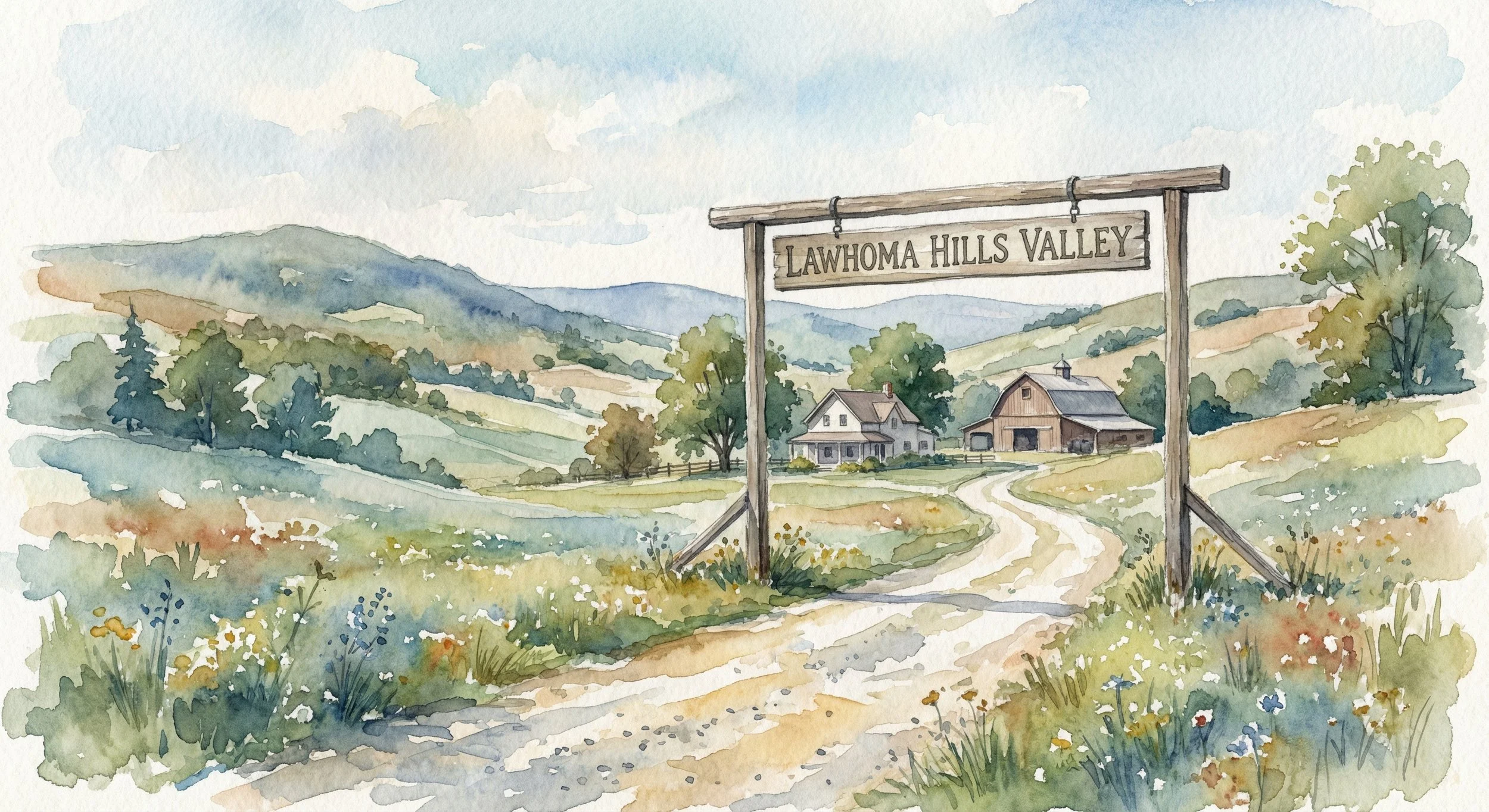
Lawhoma Hills, Oklahoma
