Tucker’s Classroom Discussion
Teacher’s Corner:
A Note from Lolli
Welcome to Camp Run Amuck!
I'm Lolli, and before campfires, muddy boots, and grandkids filled my days, I spent many happy years as a third-grade teacher. One thing I learned is that some of the very best lessons don't come from a worksheet, they come from a good story and the conversations that follow.
Around camp, we never rush to the next chapter. We stop, wonder, laugh, ask questions, and sometimes change our minds. Every camper has a different idea to share, and that's exactly how great readers grow.
Inside this Teacher's Corner guide you'll find the kinds of questions we'd ask around the campfire, along with writing ideas and cross-curricular connections for Grades 3–6. There aren't any right answers here, just opportunities for thoughtful conversations.
So gather your readers, pull up a chair, and join us around the campfire.
We'll save a seat and some cookies for you.
— Lolli
Camp Run Amuck’s Official Retired 3rd Grade Teacher
Tucker Takes the Mic
Before You Read
Have you ever laughed so hard you couldn't stop?
Why do some people seem funny without even trying?
Is it harder to make people laugh or to stand in front of them?
During Your Reading
Finding Your Voice
Tucker wants to be funny like his favorite comedians. Why do you think he starts by trying to copy someone else?
Papa Max reminds Tucker that his funniest stories already happen at home. Why are real-life moments often the funniest?
Practice Makes Progress
Tucker fills a notebook with joke ideas. Why is writing an important part of comedy?
The BBC kids help Tucker practice his routine. How can honest friends make us better without hurting our feelings?
Courage
Yaya tells Tucker he already has "the chops," but he has to fight through the nerves himself. Why can't someone else give us confidence?
How is standing alone with a microphone different from making your friends laugh at school?
Family
Tucker discovers that his sisters, goat yoga, and everyday Brewster family life make the best material. Why do you think audiences enjoy stories they recognize?
Which joke would have made you laugh the hardest? Why?
Community
The whole town gathers to support Tucker's first performance. How do you think that changed the way he felt before walking on stage?
Why is it important to celebrate someone's first attempt, not just their success?
After Reading
What changed the most in Tucker—his jokes or his confidence?
Why do you think Papa Max's advice meant so much to Tucker?
Tucker runs cross-country. How is preparing for a race similar to preparing for a performance?
What did the BBC friends contribute to Tucker's success?
Why do you think Tucker became funniest when he stopped trying to imitate someone else?
What does this story teach about being yourself?
If Tucker performs again next summer, what do you think will be different?
What story from your own life would make people smile?
Writing Extension
Keep a "Tucker Notebook" for one week.
Write down funny things you hear, silly family moments, unexpected conversations, or things that make you smile. At the end of the week, choose one true story and tell it in your own words.
Cross-Curricular Connections
ELA: Personal narrative, voice, dialogue, storytelling, audience.
Performing Arts: Public speaking, timing, stage presence, audience engagement.
SEL: Self-confidence, vulnerability, resilience, accepting feedback, finding your authentic voice.
Health & PE: Discuss how Tucker's cross-country training builds perseverance, discipline, and mental toughness that help him both on the trail and on stage.
Campfire Question
Can someone teach you to be funny, or does the best humor come from simply being yourself?
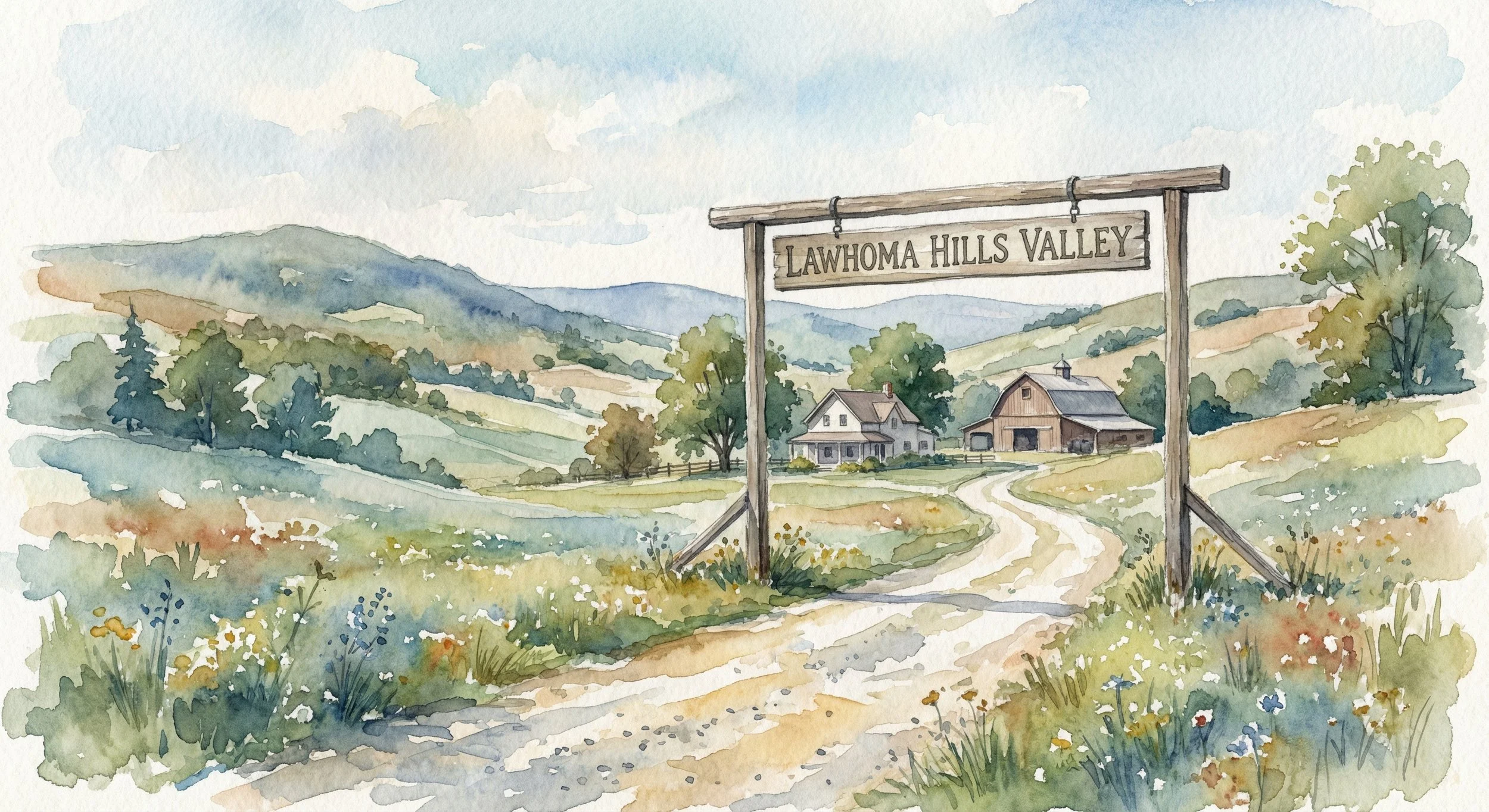
Lawhoma Hills, Oklahoma
