Pollinator Gardens for Oklahoma
Plant Like the Howards: An Introduction to Pollinator Plants
Morning in Bootsie Howard's herb garden means wings everywhere, which is only fitting, since the Howards of Lawhoma Hills are Gulf Fritillary butterflies. When Bootsie plants a garden, she's setting the family table. Yours can do the same for real butterflies and bees.
The Pollinators of Lawhoma Hills
The Howards and the Hill family, the town's honey bees, with educators Nanny and Hootie teaching anyone who'll listen, are Lawhoma Hills' living lesson in why pollinators matter. The short version Nanny gives the campers: no pollinators, no Farmers Market. That usually settles it.
Beginner Pollinator Plants
The trick is planting a mix so something is blooming from spring to frost. A friendly starter list: purple coneflower and black-eyed Susan for the workhorse summer bloom. Native milkweed, because monarchs can't raise their young on anything else. Passionflower, the Gulf Fritillary's host plant and the reason the Howards would move in next door. Bee balm, for exactly who it sounds like. Asters and goldenrod to keep the table set into fall, when pollinators need supper most.
Design Your Patch
Pollinator gardens have two jobs, so plant two kinds of plants. Host plants feed caterpillars, and yes, they're supposed to get chewed; a nibbled leaf means it's working. Nectar plants feed the adults. Give the bed sun, cluster the same flowers in groups so they're easy to find, add a shallow dish of water with a few stones for landing, and skip the spray entirely. A pollinator garden that gets pesticides isn't a garden; it's a trap.
Kid-Friendly Garden Jobs
Kids make outstanding pollinator staff. Put them on seed-starting duty in spring, the watering rotation in summer, caterpillar counts on the passionflower, and a sightings journal all season long: first bee, first monarch, first Gulf Fritillary. Campers at Run Amuck have turned it into a competitive sport.
Grow the Habit
Meet the Howards in A Year Behind the Pink Door, and if the butterflies win your heart the way they've won the town's, a visit to the RZP Preserve and the Monarch way station is your next stop in book two.
Plant a little habitat, and the neighbors, winged and otherwise, will find you.
Thanks for reading and supporting my favorite copper wings, Yaya
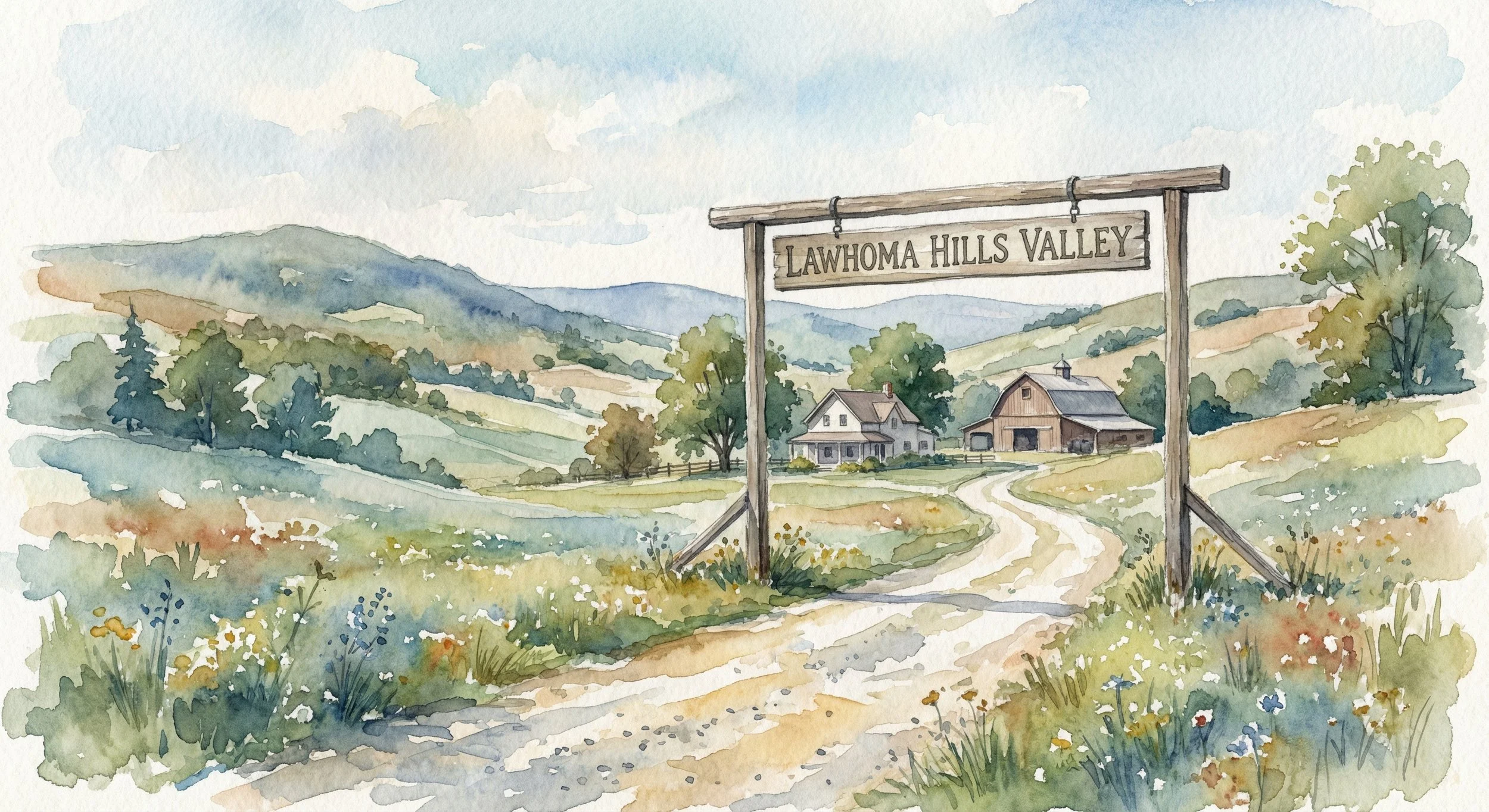
Lawhoma Hills, Oklahoma
